
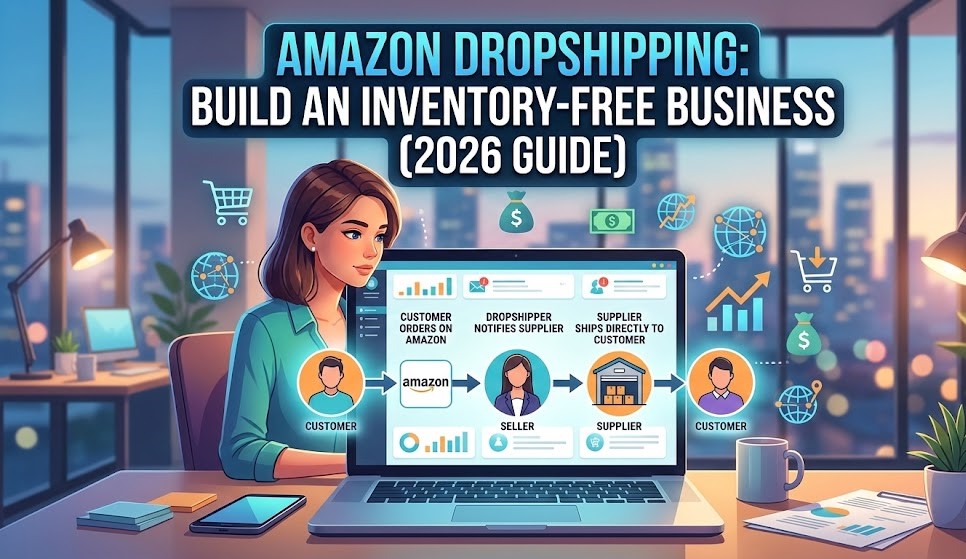
Let’s be completely candid: the dream of running a thriving retail business without ever touching a single product is now a reality. With over 61% of paid units on Amazon currently sold by third-party sellers, the opportunity to build a scalable, inventory-free empire has never been greater.
In 2026, Amazon Dropshipping remains a premier entry point for entrepreneurs. By leveraging third-party providers to handle fulfillment, you can focus entirely on branding and marketing rather than the logistics of warehousing and shipping. Whether you’re a newcomer or looking to expand your portfolio, here is the straightforward, no-nonsense path to Amazon success.
At a Glance: Amazon Dropshipping Fundamentals
| Feature | The Detail |
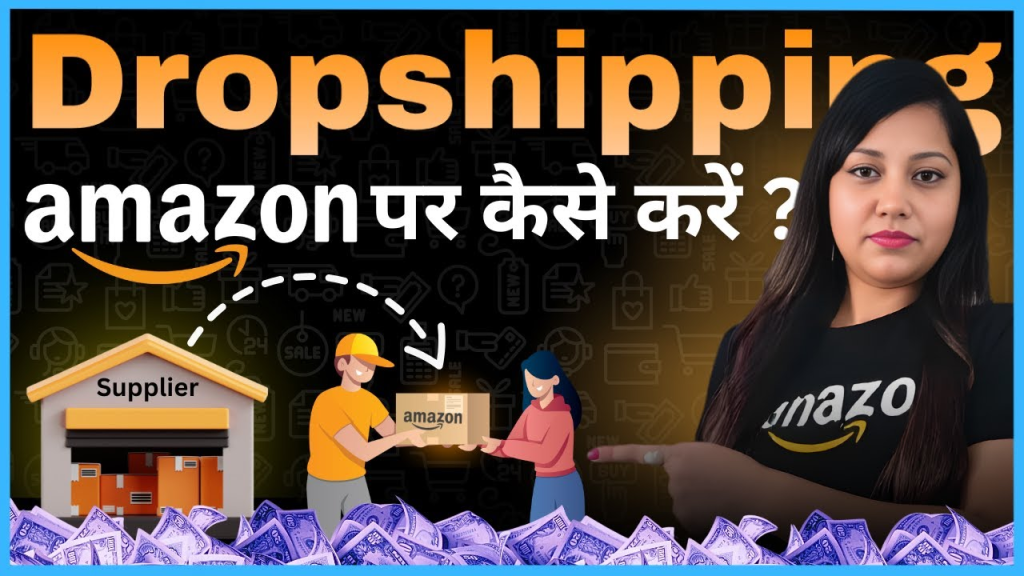
| Model | Sell products directly to customers; the supplier ships on your behalf. |
| Inventory | Zero. You only pay for products after a customer pays you. |
| Profit Margin | Retail Price – (Wholesale Price + Amazon Fees) = Your Profit. |
| Top Benefit | Low startup costs and massive scalability. |
| Main Risk | Policy compliance and supplier reliability. |
How to Start Dropshipping on Amazon in 5 Steps
1. Create Your Amazon Seller Account
To begin, visit the Amazon Seller Central portal. You have two primary choices:
- Individual Plan: $0.99 per item sold (Best for beginners testing the waters).
- Professional Plan: $39.99 per month (Required if you plan to sell more than 40 items monthly).
2. Choose Your Supply Strategy
In 2026, successful sellers typically choose between two main models:
- Traditional Dropshipping: Sourcing generic products from marketplaces like Spocket.
- Print on Demand (POD): Using a partner like Printify to sell custom-designed apparel and home decor. This allows you to sell unique products that aren’t saturated by other sellers.
3. Identify High-Demand Niches
Don’t guess what will sell. Use tools like Jungle Scout to analyze real-time sales data, competitor keywords, and market trends. Currently, the top-performing categories on Amazon include:
- Personalized Home & DIY
- Eco-friendly Fashion & Apparel
- Smart Electronics Accessories
4. Create “Search-Optimized” Listings
Your listing is your salesperson. To rank high in Amazon’s A10 search algorithm:
- Title: Include your primary keyword and key features (Size, Color, Use-case).
- Images: Use high-resolution, 3D-rendered mockups or lifestyle photography.
- Descriptions: Focus on benefits, not just features. Explain why the customer needs the product.
5. Drive Traffic to Your Store
Amazon is a crowded marketplace. To stand out, utilize Amazon Advertising (Sponsored Products) to appear at the top of search results. Additionally, driving external traffic from TikTok or Instagram can boost your listing’s “velocity,” which Amazon rewards with higher organic rankings.
The Golden Rules of Amazon Compliance
Amazon is notoriously strict about its dropshipping policies. To avoid account suspension, you must follow these three rules:
- Be the Seller of Record: Your name must be on all packing slips and invoices. Never let a supplier’s logo (like AliExpress or Walmart) appear on the package.
- Handle Your Own Returns: You are responsible for accepting and processing customer returns, even if your supplier is the one receiving the physical item.
- No Third-Party Branding: Ensure your supplier does not include any promotional materials or branding other than your own.
Why Choose Print on Demand (POD) Over Traditional Dropshipping?
While traditional dropshipping involves selling generic items found everywhere else, POD allows you to be an artist and a business owner. By integrating Printify with Amazon, you can:
- Avoid Price Wars: Since you own the design, no one can undercut you on the exact same product.
- Build a Brand: You aren’t just a reseller; you’re a creator building a long-term asset.
- Passive Fulfillment: Printify handles the printing and shipping automatically, allowing you to focus on your next big design.
Also Read : Top Remote Side Hustles to Make Extra Income (2026 Guide)
