
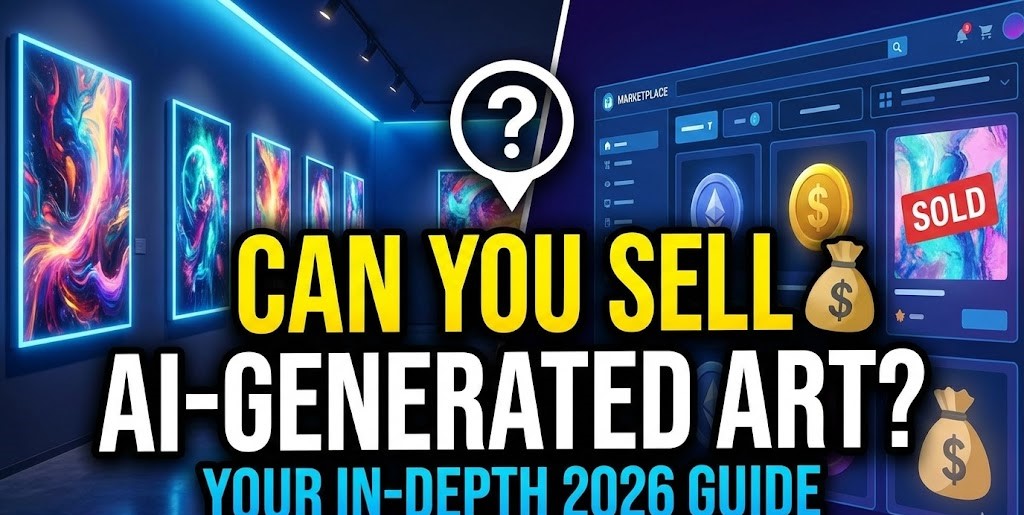
Artificial intelligence has transformed how creators design and sell products. With tools like Midjourney, DALL·E, and ChatGPT, making AI art has never been easier.
But can you sell AI-generated art? The short answer is yes—if you follow legal rules, choose the right platforms, and understand the pros and cons. This guide explains everything Print on Demand (POD) sellers need to know.
(Disclaimer: This content is for informational purposes only and does not constitute professional advice. Readers are encouraged to seek advice from qualified professionals for specific situations.)
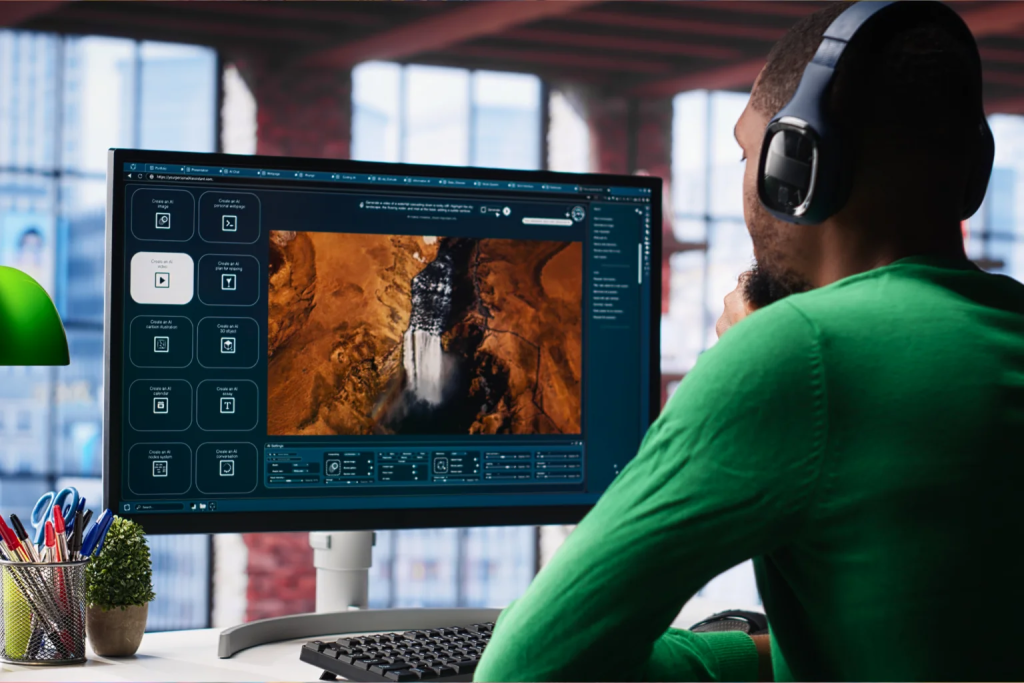
Can You Legally Sell AI-Generated Art?
Navigating the legality of selling AI-generated art can feel confusing, but it boils down to a few key areas. While you can sell AI art, understanding the nuances of ownership, usage rights, and ethics is the first step to building a sustainable business.
Copyright and Ownership: The ‘Human Input’ Factor
In most countries, including the United States, designs that are purely AI-generated without significant human input are generally not protected by copyright. This means you can sell them, but you may not own the exclusive rights, and theoretically, someone else could use a similar image.
The US Copyright Office has clarified that merely writing a text prompt is not enough for copyright. However, if an artist uses AI art as a base and then substantially modifies it, the resulting work may be copyrightable.
Examples of Significant Human Input:
- Compositing: Skillfully combining multiple AI generations into a single, cohesive image.
- Digital Painting: Using an AI image as a foundation and painting over it in Photoshop or Procreate.
- Substantial Editing: Engaging in color grading and manipulation that fundamentally changes the raw output.
Usage Rights and Terms of Service
Every AI art generator has its own terms of service that you must read carefully.
- Midjourney: Its license is tied to your subscription. Free users generally cannot use images commercially, while paid subscribers can.
- DALL-E 3 (via ChatGPT): OpenAI allows users to use the images they create commercially, including selling them.
- Stable Diffusion: If you run the open-source model on your own hardware, you have maximum freedom to use your creations.
Choosing Your Tools: Top AI Art Generators
The art generator you choose will significantly impact your workflow.
1. Midjourney
Best for highly stylized and artistic results. Midjourney operates primarily through Discord and is excellent for creating fantasy art, abstract designs, and projects requiring a polished, illustrative feel.
2. Stable Diffusion
Best for maximum control. This is an open-source model, meaning anyone with technical skills can run it on their own computer. It offers immense customizability through user-trained models and extensions like ControlNet.
3. DALL-E 3
Best for prompt accuracy. Integrated into ChatGPT, DALL-E 3 excels at understanding complex, conversational prompts and is particularly strong at integrating specific text into images.
Where Can You Sell AI-Generated Art?
Etsy
Etsy is arguably the most popular marketplace for independent creators. You can sell physical products like posters and t-shirts, or digital downloads. However, you must follow their policy of disclosing that your work is made with AI.
Print-on-Demand Marketplaces
Platforms like Redbubble and Society6 are great for beginners. You simply upload your artwork, and the platform handles production and shipping.
Your Personal Online Store
Running your own website using platforms like Shopify gives you complete control over your brand, pricing, and customer relationships. Integrating a print-on-demand service like Printify is super easy on these platforms.
Adobe Stock
Stock photo sites have started accepting AI images, provided they are labeled correctly. This is a great way to generate passive income by selling to businesses and designers.
Pros and Cons of Selling AI-Generated Art
Pros:
- Unlimited Designs: Create variations quickly without expensive equipment.
- Low Barrier to Entry: Start selling with zero upfront inventory costs.
- Global Reach: Access a worldwide audience of art enthusiasts.
Cons:
- Limited Copyright Control: Purely AI works may lack protection.
- Ethical Concerns: Data sourcing debates remain a sensitive topic for some consumers.
- Marketplace Restrictions: Some platforms have strict rules or bans on AI designs.
Tips to Sell AI Art Successfully
- Refine Your Process: Don’t just sell raw outputs. Add your unique value by editing, compositing, or adding stylistic overlays.
- Know Your Audience: Research whether your customers want abstract digital products, cute animal decor, or edgy apparel graphics.
- Promote on Social Media: Share behind-the-scenes glimpses of your prompting and editing process to build a loyal following.
- Diversify: Don’t rely on a single income stream. Mix platforms like Etsy, Adobe Stock, and your own site for stability.
Summary
Can you sell AI-generated art? The answer is a resounding yes.
With modern AI tools, you can create a vast portfolio of original designs. While legal nuances exist, the market demand is strong. By combining your unique vision with Printify’s seamless print-on-demand network, you can reach a global audience and start creating art that truly inspires your customers today.
Also Read : How to Start a Side Hustle and Turn It Into Your Full-Time Business in 2026
